Best Coffee Beans for Beginners
The wrong first bean turns people off specialty coffee for good. Here's what to actually look for — and which Indian roasters won't let you down.
The wrong first bean turns people off specialty coffee permanently. They buy something described as "bright, complex, with notes of bergamot and hibiscus," it tastes nothing like they expected, and they go back to Nescafé.
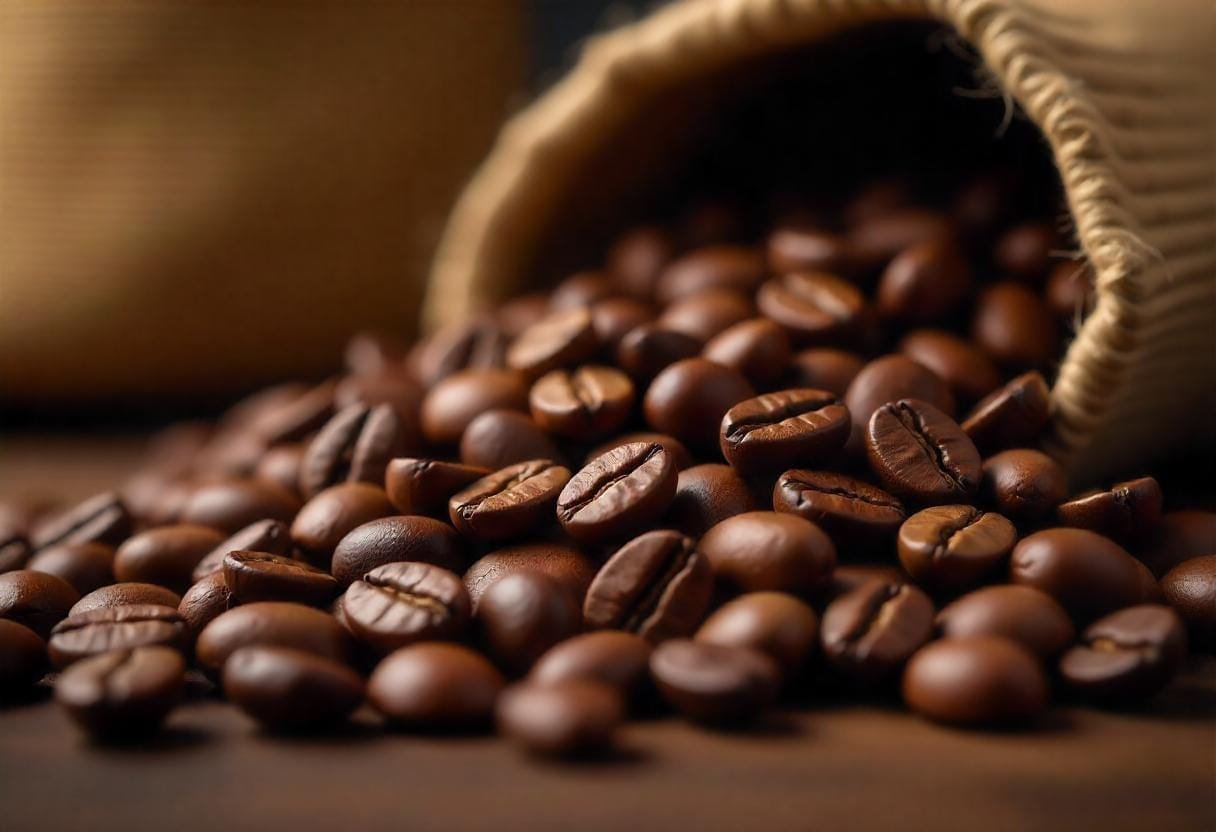
Here's what you actually want as a beginner.
What makes a bean "beginner-friendly"
Not all good coffee is accessible. A natural-processed Ethiopian from a small-batch roaster can be funky, fruit-forward, and strange. A light-roasted Kenyan can be almost aggressively sour. Neither is bad — but both are acquired tastes.
A beginner-friendly bean has:
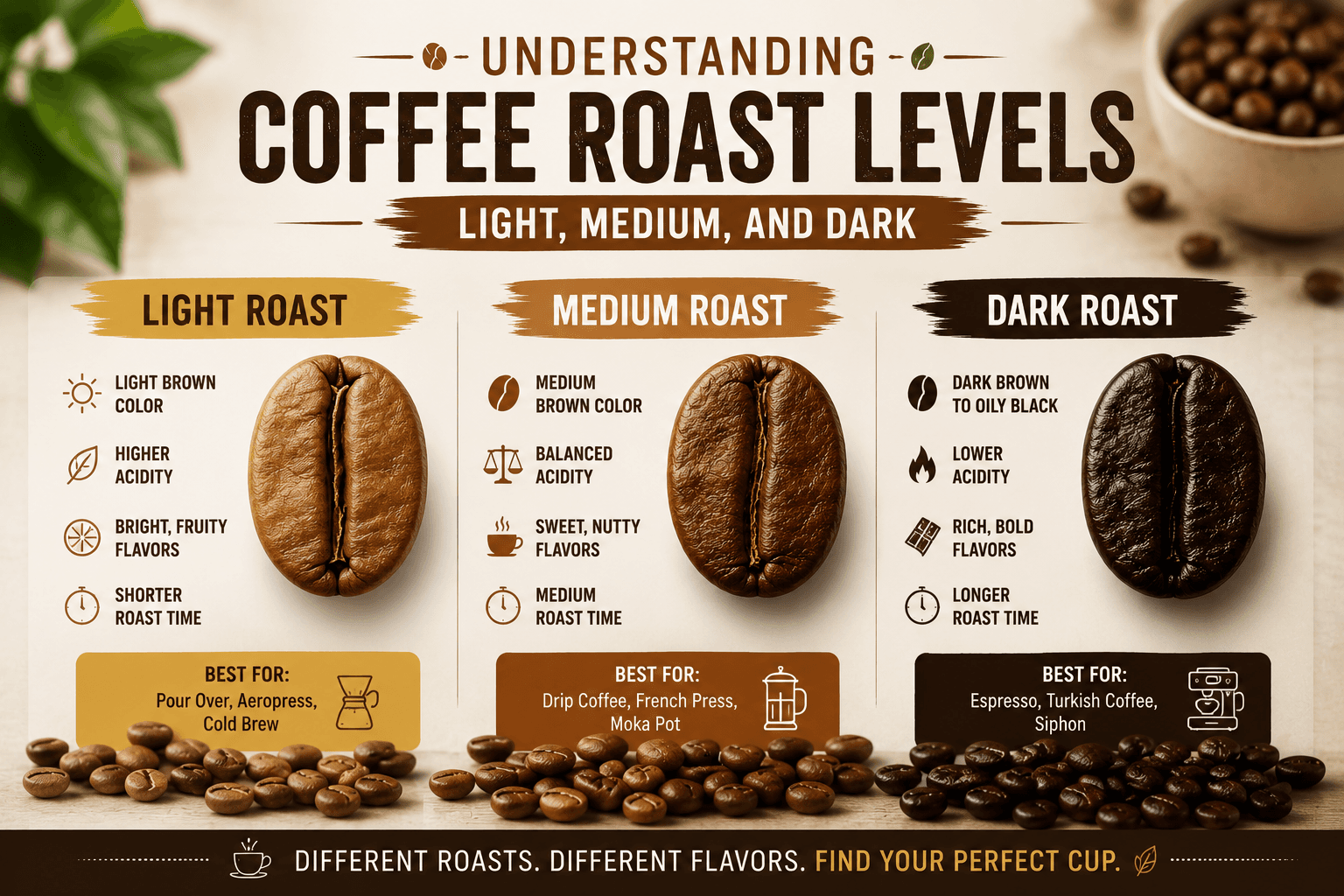
Medium roast — Dark roasts mask defects but often taste burnt. Light roasts demand precise brewing. Medium forgives errors while still showing character.
Low acidity — Brightness is an acquired taste. Start mellow.
Chocolate or caramel notes — These are familiar, pleasant, and comforting. They don't require your palate to work hard.
Clean, predictable flavor — Nothing polarizing. Nothing fermented. Just good coffee.
Origins to start with
Brazil is the beginner's best friend. Most Brazilian beans are washed or pulped natural, grown at lower altitudes, and produce flavors of milk chocolate, hazelnut, and a low-acid cup. They're forgiving to brew, sweet, and consistent. No surprises.
Colombia is the next step up. A little more brightness, but still sweet and round. Caramel, red apple, mild citrus. Colombian beans suit pour-over and drip machines well and are available fresh from most Indian specialty roasters.
Sumatra (Indonesia) is for those who like body over brightness — earthy, full, slightly syrupy. Works beautifully in a French press. Unusual enough to be interesting, grounded enough not to confuse.
Specific options available in India
If you're in India, you're luckier than you think — the Chikmagalur and Coorg regions in Karnataka produce genuinely excellent coffee that competes internationally.
Blue Tokai (available online and in metro cities) offers a good range of medium-roast Indian single origins that are clean, well-labeled, and beginner-appropriate. Their "Attikan Estate" or "Vienna Roast" blends are safe starting points.
Kapi Kottai and Corridor Seven are other Indian roasters worth exploring — both roast fresh and ship nationally.
Avoid supermarket beans unless they have a roast date. The "premium" shelf at most supermarkets stocks beans that were roasted four months ago and have been sitting in climate-controlled retail since.
Don't spend too much at first
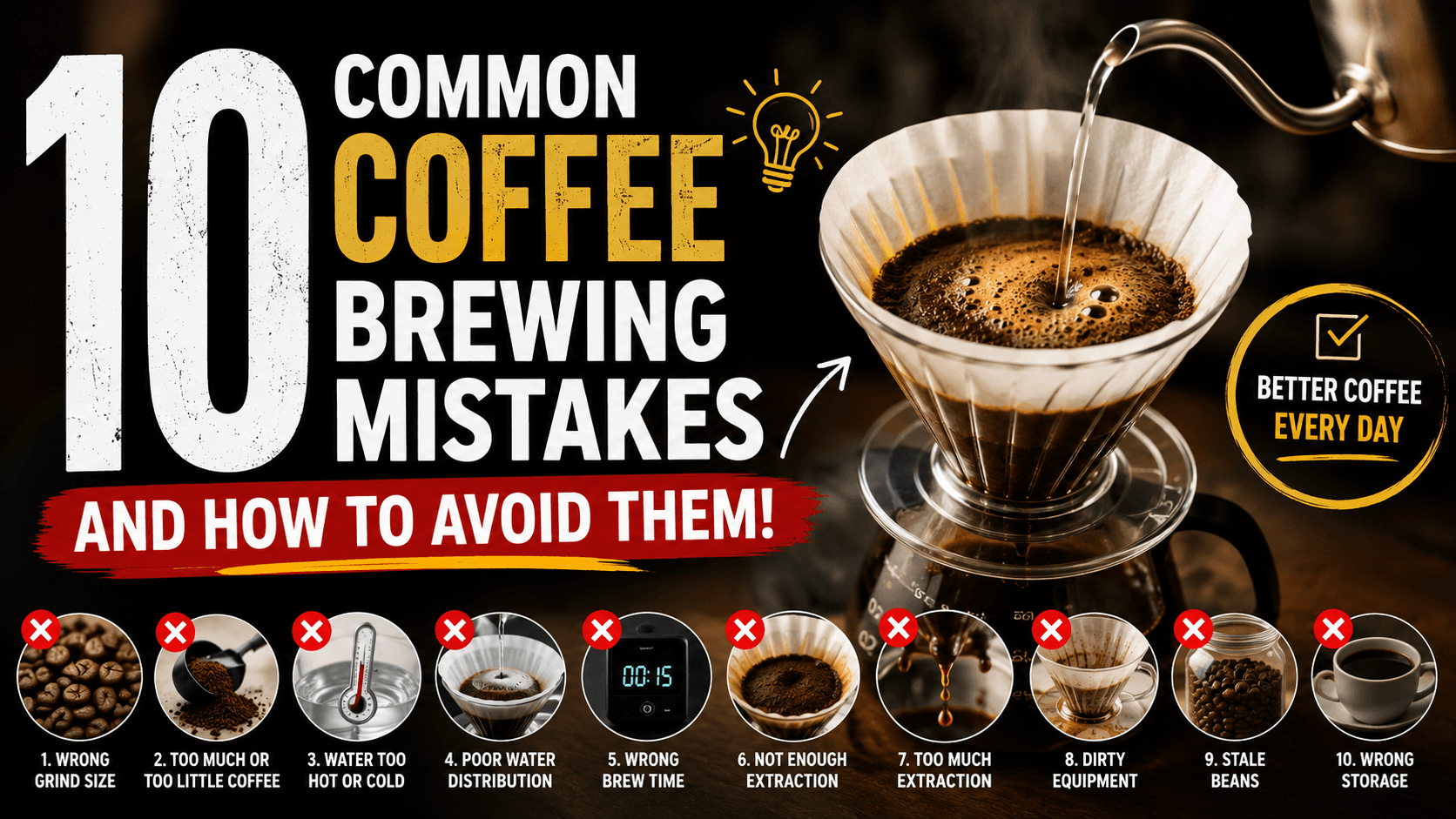
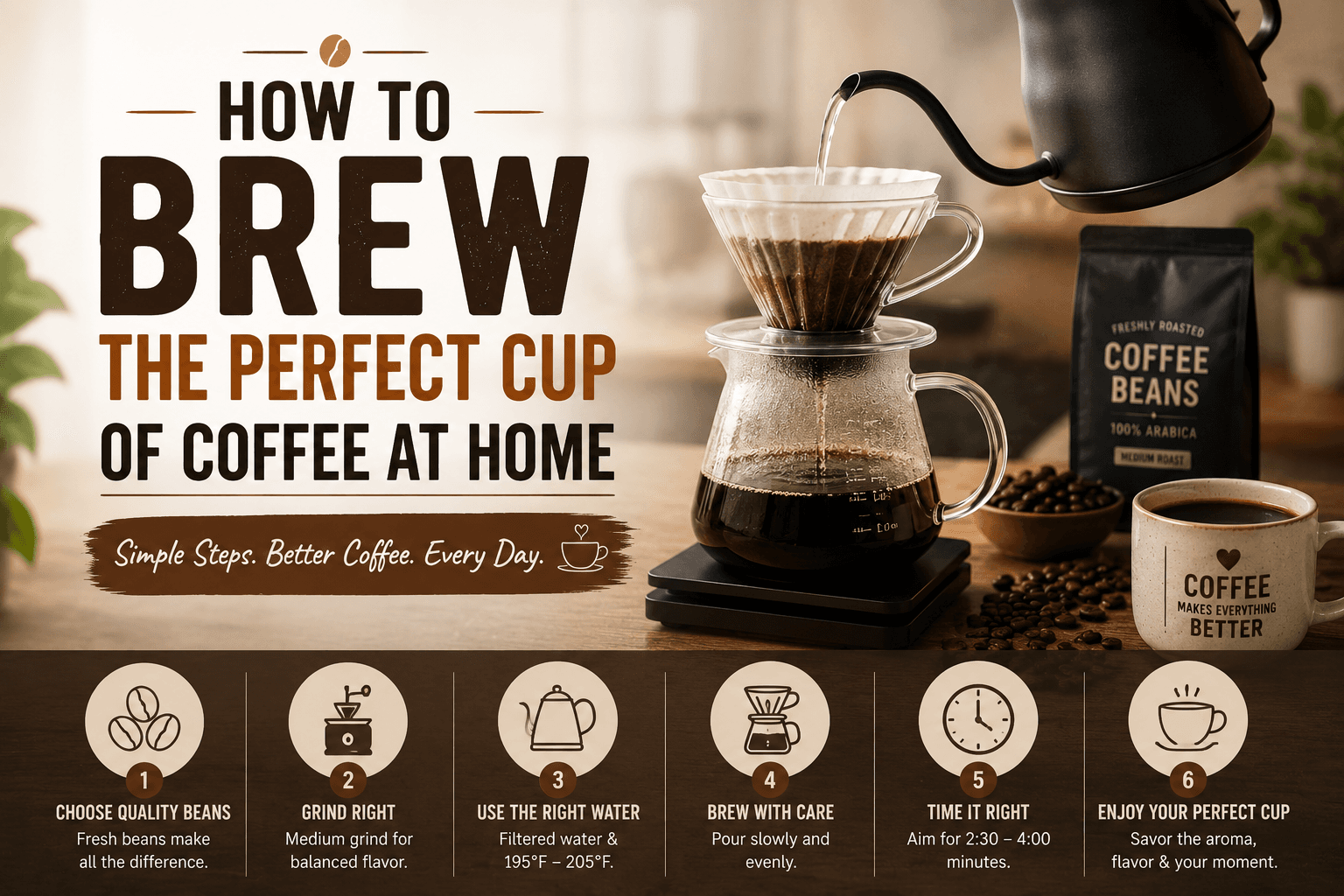
Your grinder and technique will determine most of the outcome, not the bean's pedigree. A ₹400 bag of fresh Indian medium roast, ground correctly and brewed at the right temperature, will outperform a ₹1,200 specialty import brewed carelessly. Spend more on a burr grinder before you spend more on beans.