Understanding Coffee Roast Levels — Light, Medium, and Dark
Light, medium, dark — most people pick by bag color. Here's what roast level actually does to your coffee, and what it says about strength.
The roast level controls more of what ends up in your cup than the origin, the brewing method, or almost anything else. And most people pick by color of the bag without knowing what they're actually choosing.
What roasting actually does
Coffee beans start green and essentially flavorless — raw, grassy, dense. Heat transforms them through a series of chemical reactions (Maillard reaction, caramelization, pyrolysis) that develop hundreds of flavor compounds. Roasters control time, temperature, and airflow to stop this process at the right moment.
The longer and hotter the roast, the more the bean's original character burns away and the roast character itself takes over. This is the core trade-off that separates the three main levels.
Light Roast
Appearance: Light brown. No surface oil.
Internal temperature at drop: ~196–205°C
What you taste: The origin. The terroir. The farm.
Light roasts preserve the most volatile aromatic compounds — the ones responsible for floral, fruity, and tea-like flavors. A well-sourced Ethiopian Yirgacheffe roasted light can taste of jasmine, bergamot, and blueberry. That's not flavoring. Those compounds exist in the bean, and light roasting lets them survive.
The catch: light roasts are unforgiving. Brewing temperature must be precise. Grind must be dialed in. Even a few seconds off on your pour can produce a sour, thin cup. Light roast rewards skill.
Light roasts also retain more caffeine — contrary to popular belief. Roasting burns off caffeine over time, so the darkest roasts actually have slightly less.
Medium Roast
Appearance: Rich medium brown. Minimal surface oil.
Internal temperature at drop: ~210–220°C
What you taste: A balance of origin and roast.
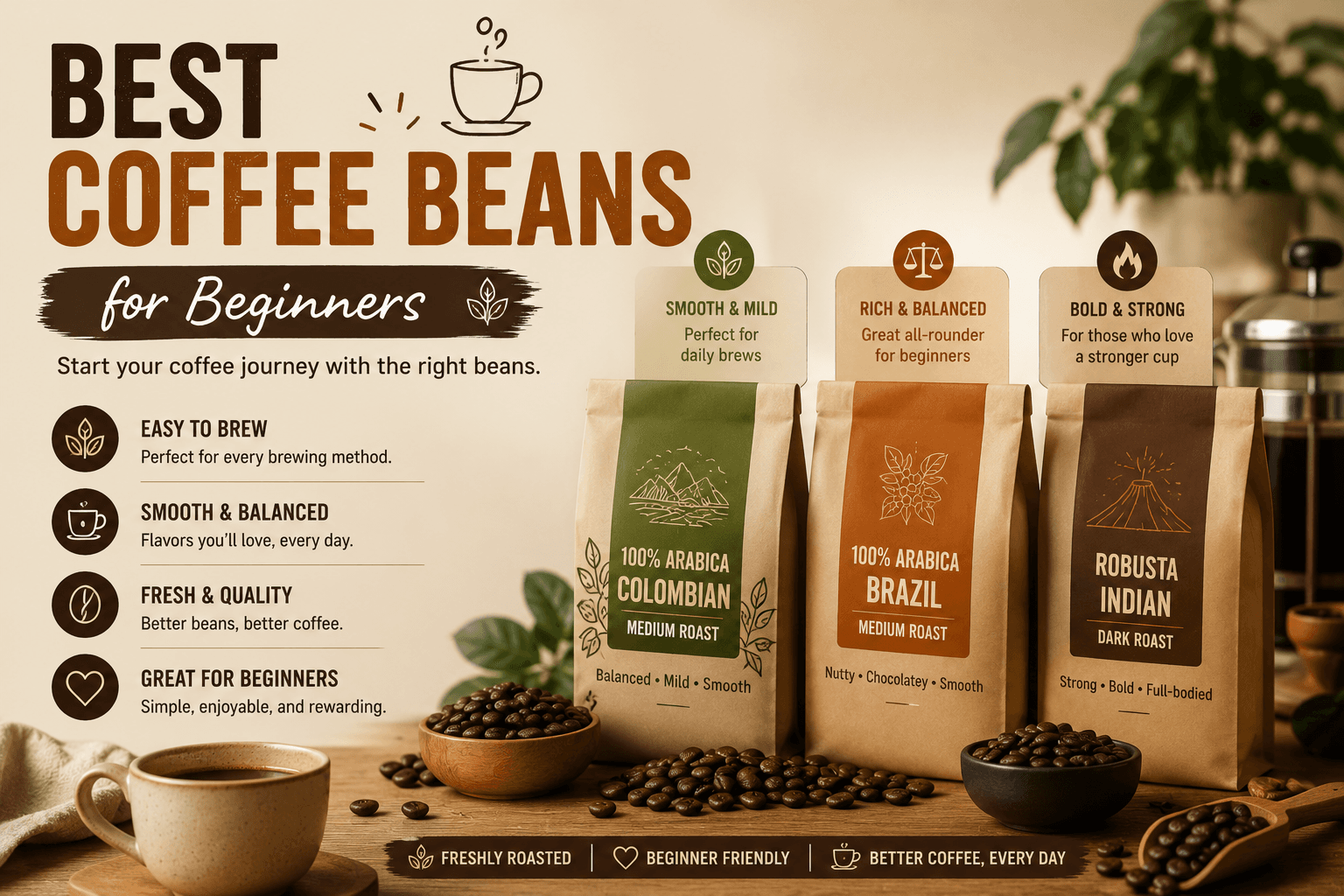
Medium roast is where most good coffee lives. The origin's fruit and floral notes soften but don't disappear. Caramel, chocolate, and nuttiness emerge. Acidity drops to a pleasant level. The cup becomes fuller, rounder, more crowd-pleasing.
Medium roast is the most forgiving for home brewing — slight errors in temperature or grind size won't ruin the cup. It works across almost every brewing method. It suits most people's flavor preferences without requiring an educated palate.
If you're unsure what to buy, buy medium.
Dark Roast
Appearance: Dark brown to near-black. Oily surface.
Internal temperature at drop: ~225–240°C+
What you taste: The roast.
Dark roasting drives out the origin character almost entirely. Ethiopian, Colombian, or Indonesian dark roast — you'll be hard-pressed to tell them apart. What you taste instead is roast flavor itself: bittersweet, smoky, dark chocolate, charred sugar. Bold, heavy, sometimes ashy.
This isn't inferior — it's just a different product. Many people genuinely love dark roast, and there's nothing wrong with that. The issue is when people associate dark roast with "strong" coffee. Dark roast is not stronger — it's just more bitter. A light roast espresso has more caffeine and more flavor complexity than a dark roast one, assuming the same dose.
Dark roast is more forgiving of lower-quality beans because the roast masks defects. It's also more forgiving of older beans. This is why commercial coffee skews dark — it can sit on shelves longer without becoming obviously stale.
The Second Crack Rule
Roasters talk about "first crack" and "second crack" — audible pops as the bean expands and releases CO₂. Light roasts are pulled before or just after first crack. Medium roasts after first crack, before second. Dark roasts at or past second crack. Beyond second crack, you're burning the bean, and no amount of good sourcing saves it.
If your dark roast tastes like ash, it was taken too far.
What to choose
PreferenceTry ThisI love fruit, floral, and complexityLight roast, single originI want balance, chocolate, caramelMedium roastI want bold, smoky, bitterDark roastI'm brewing espressoMedium-dark (depends on taste)I drink coffee blackMedium or lightI add milk/sugarMedium or dark
One practical tip: buy from a roaster who lists the roast date and the roast level with specific language — not just "bold" or "smooth." Vague descriptors hide behind marketing. A good roaster tells you exactly what you're getting.