Arabica vs Robusta — What's Actually the Difference?
Two different species, two completely different cups. Here's what actually separates Arabica from Robusta — and why Robusta isn't the villain you think it is.
Most people who ask this question are really asking something else: why does my cheap coffee taste like burnt rubber?
Here's the short answer — Robusta. Here's the longer one.
They come from completely different plants
Arabica (Coffea arabica) and Robusta (Coffea canephora) are two distinct species, not just two grades of the same bean. Arabica grows at high altitudes — think Ethiopian highlands, Colombian mountains, Guatemalan ridges — where the cool air slows the cherry's development and concentrates its sugars. Robusta, as the name loudly announces, is a tough plant. Lower altitudes, hotter climates, more disease-resistant, higher yield. Vietnam produces mountains of it.
The altitude difference matters more than most people realize. Higher elevation = slower growth = more complex flavor compounds. That's not marketing speak. It's plant biology.
The flavor gap is real, but not simple
Arabica tends toward sweetness, fruit, and brightness. A well-sourced Ethiopian Arabica can taste genuinely of blueberries or jasmine — not because someone added anything, but because of the naturally occurring acids and sugars in the bean. A Colombian Arabica might lean toward caramel and milk chocolate.
Robusta is earthy, harsh, and carries a rubbery or woody bite when roasted dark. But here's the part most coffee snobs won't admit: Robusta has nearly twice the caffeine content of Arabica, and it produces a thicker, longer-lasting crema on espresso. That's why Italian espresso blends have historically included a percentage of Robusta — not because they couldn't afford Arabica, but because it actually improves texture and keeps the foam intact as you drink.
Caffeine: the number you care about
ArabicaRobustaCaffeine (% by weight)~1.2–1.5%~2.2–2.7%Price per kg (wholesale)HigherLowerFlavor complexityHighLow–MediumCrema quality in espressoLowerHigher
If you need a morning kick more than a flavor experience, Robusta isn't the villain. It's just honest about what it is.
So which should you buy?
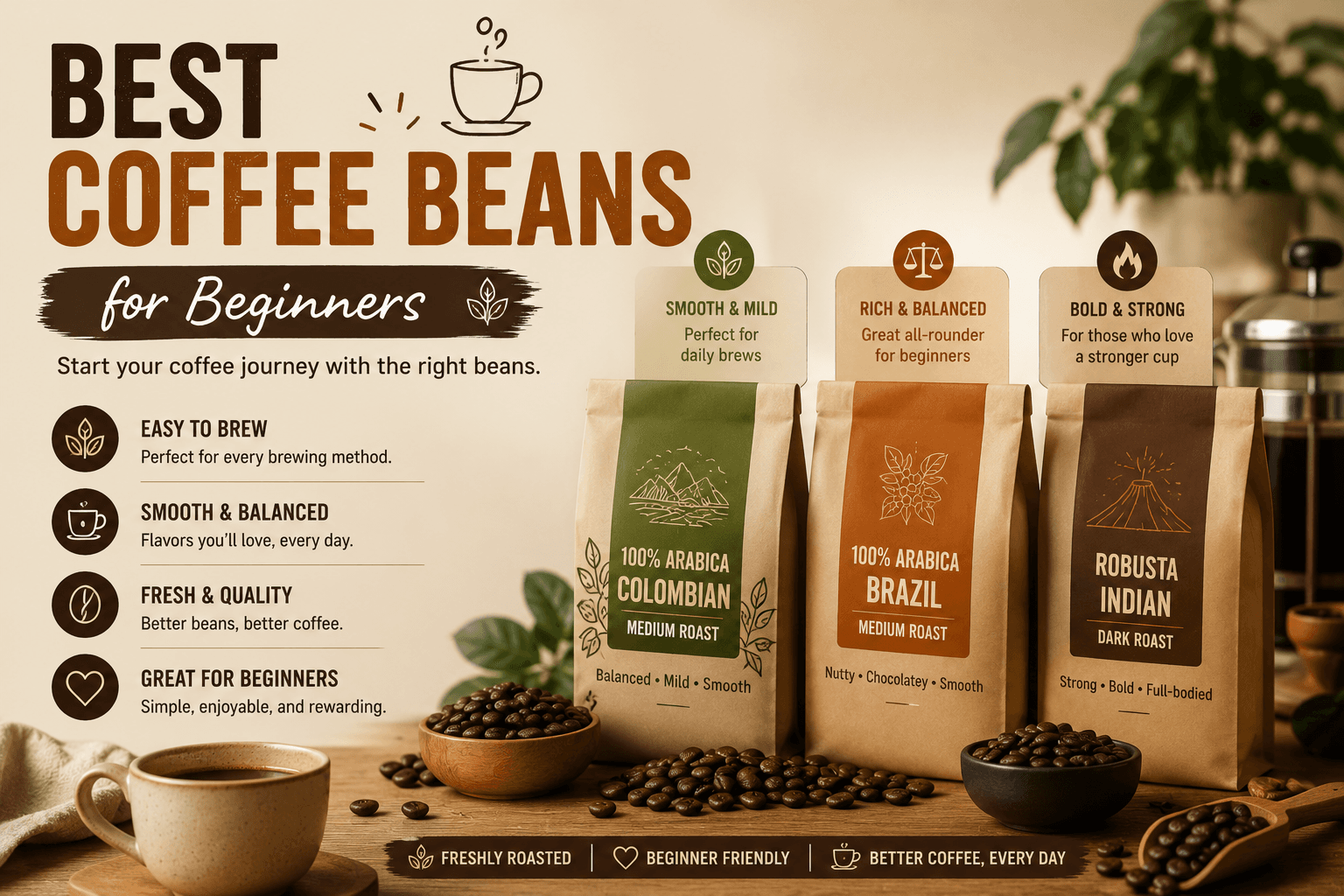
For pour-over, French press, or any brewing method where the bean is the star — Arabica, single origin if you can find it. For a double shot at 6 a.m. when you need to function — a well-blended Arabica/Robusta espresso roast is perfectly defensible.
The only genuinely wrong choice is buying a "100% Arabica" bag from a gas station and expecting it to taste good. Arabica is a species, not a quality promise. Freshness, roast date, and brewing technique still control 80% of what ends up in your cup.